My Morning Jacket Tour 2026
Jul 1, 2027
My Morning Jacket Live 2026
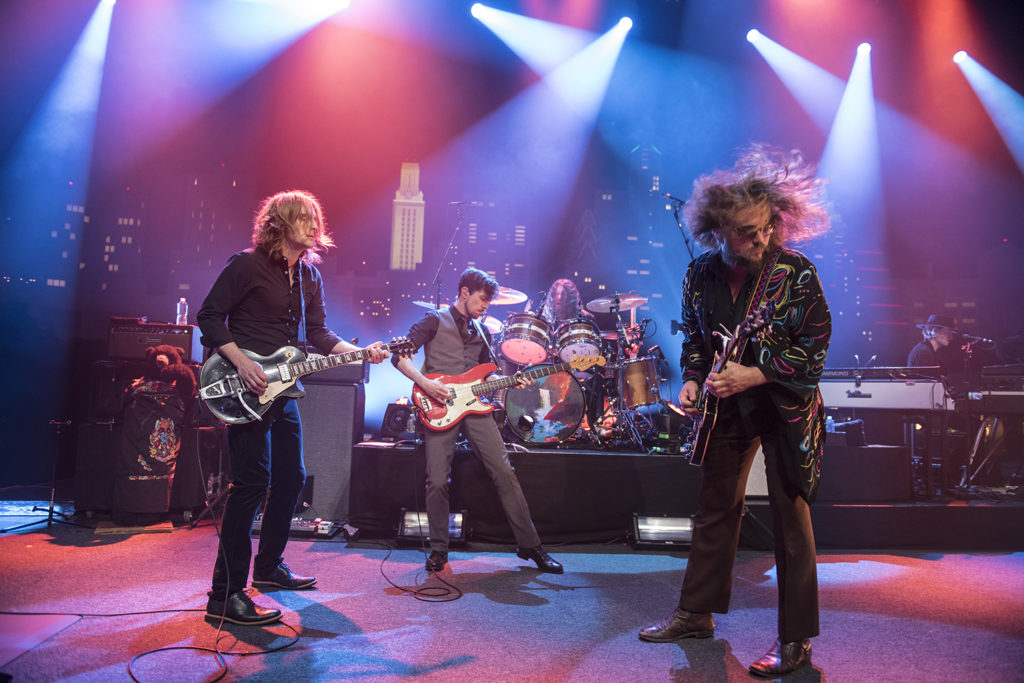
My Morning Jacket's current live run offers a chance to hear one of American rock's most expansive bands stretch out in a room built for sound. Rooted in the Louisville, Kentucky, scene that gave the group its Southern warmth, the band fuses indie rock, psychedelic haze, classic arena grandeur, and soulful country-tinged harmonies into a sound that feels both timeless and restless. Jim James's reverb-soaked vocals drift over layered guitars that can build from a whisper to a roar, and a typical night moves through tight anthemic songs and long improvised passages where the band seems to be discovering the material in real time. Fans who came up through jam circles, college radio, and classic rock stations tend to find common ground here, and the crowd often mixes longtime followers who know every lyric with newcomers drawn in by the atmosphere. The show's pacing rewards patience: quieter stretches give way to surging climaxes, and the energy tends to crest in the second half of the set. Part of what makes this run notable is its scale, with a long sequence of dates spanning a wide swath of the map and a mix of venues that suits the band's sprawling style, from intimate theaters where the sound feels close enough to touch to larger halls and outdoor settings where the lights open up the room. Whether this is your first show or your fortieth, the schedule below lists each stop on the route, so check the dates table and find the night that fits your plans.
Listen on Spotify
My Morning Jacket Tour Dates 2026
| Date | City | Venue | Programme | |
|---|---|---|---|---|
| Jul 1, 2027 · 8:00 PM | Milwaukee | BMO Pavilion | Buy TicketsFind Hotel |
No shows match your filter.
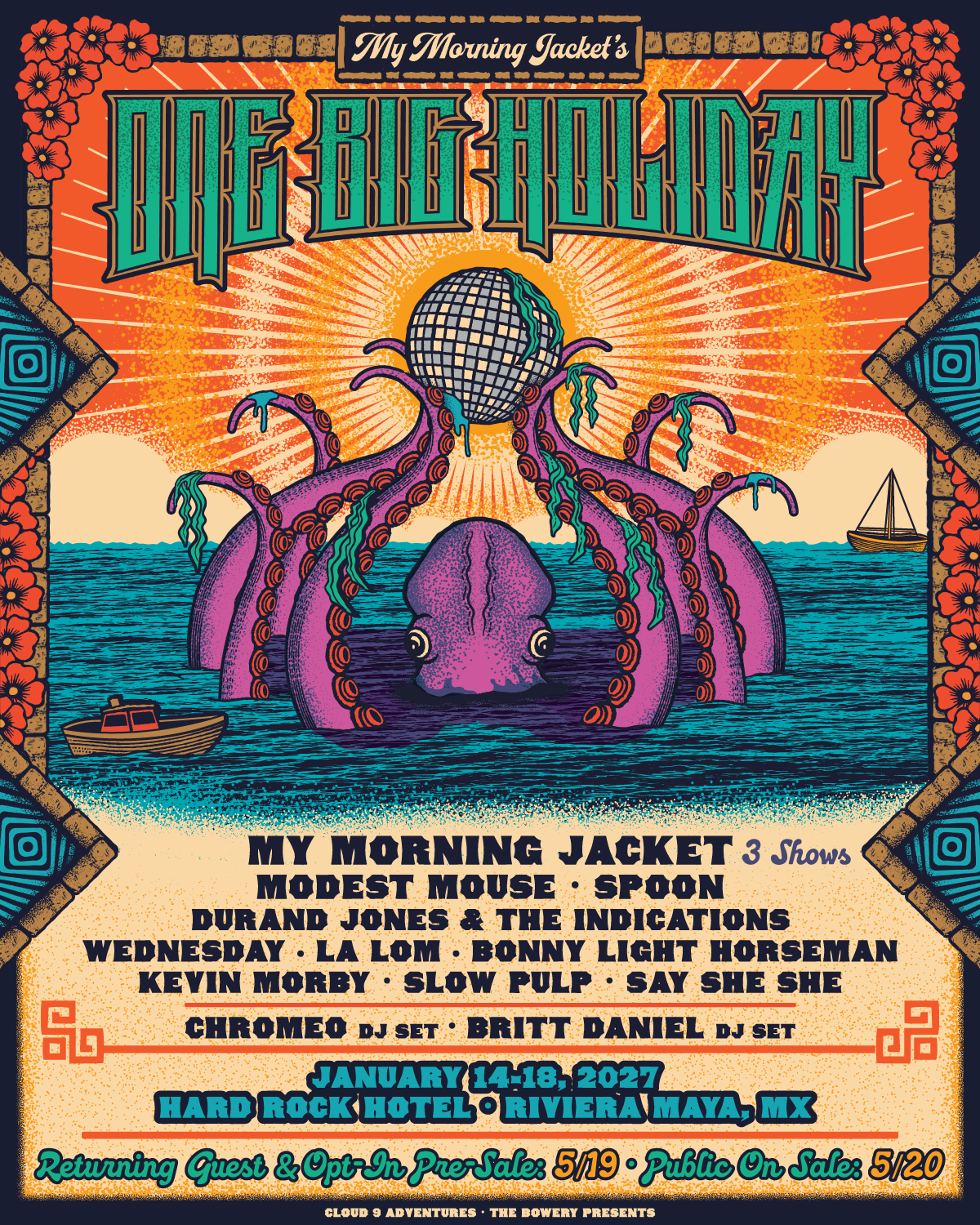
Tour Poster
Video
Photos
About My Morning Jacket
My Morning Jacket formed in Louisville, Kentucky, in the late 1990s, with singer and guitarist Jim James as its principal songwriter and most recognizable voice. His reverb-soaked tenor, often layered into dense harmonies, became the band's signature. The group's core lineup has long included guitarist and pedal steel player Carl Broemel, keyboardist Bo Koster, bassist Tom Blankenship, and drummer Patrick Hallahan, though the roster has shifted over the years. The sound draws on Southern rock, classic FM songcraft, psychedelia, and soul. Early recordings lean toward fuzzy, lo-fi guitar textures and close-miked drums, while later albums widen the stereo field with synthesizers, keyboards, and fuller arrangements. Listeners should pay attention to the interplay between guitar and steel, the rolling bass lines that anchor the grooves, and the way James builds choruses out of stacked vocal parts.
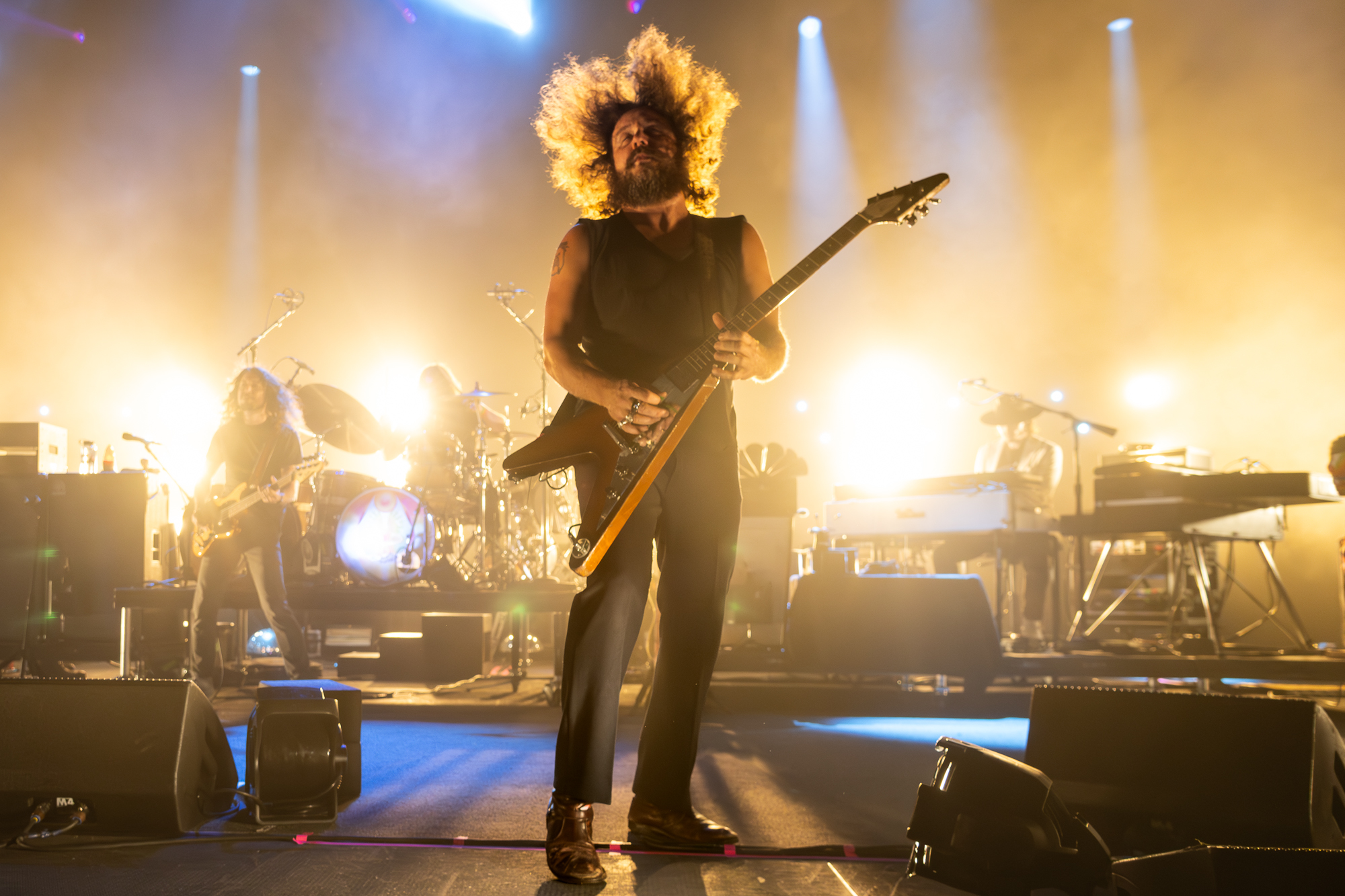
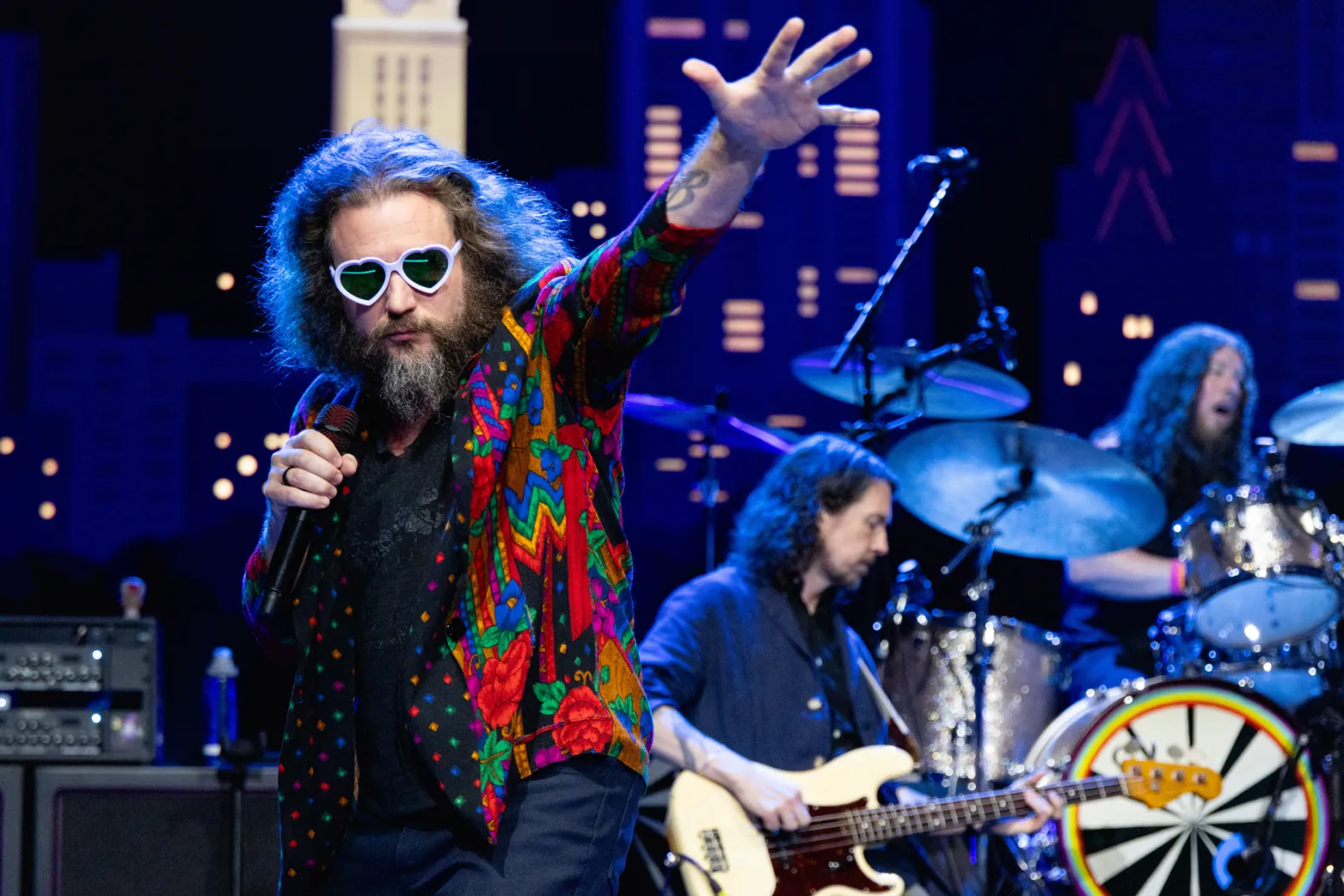
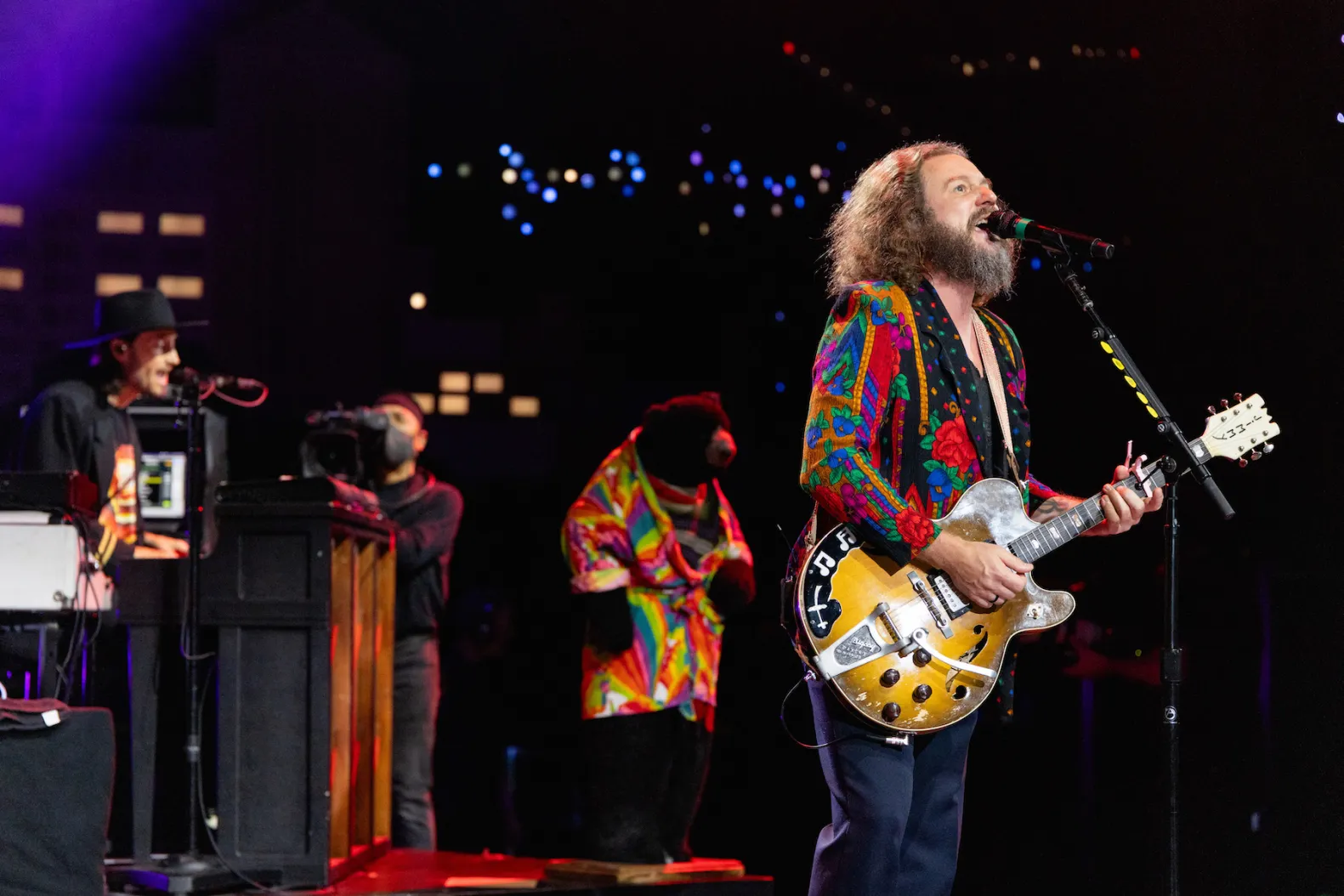
The current live show is built around momentum and dynamics rather than spectacle alone. The band typically plays long, flexible sets that move between tight song structures and stretched instrumental passages, with guitar solos and extended jams giving the performance room to breathe. Lighting carries much of the visual weight, using colored washes, haze, and shifting beams to shape each room, while heavy reliance on video screens is less central. Setlists usually draw from across the catalog, so longtime listeners hear material from early records alongside newer songs, and covers or unexpected reworkings often appear. Venue scale changes the experience noticeably. Smaller theaters bring out the detail in James's vocals and the band's quieter moments, while amphitheaters and larger halls emphasize sweeping crescendos and big, communal choruses.
Several milestones are frequently cited in discussions of the band's catalog. It Still Moves, which helped establish their reputation for warm, guitar-driven songwriting, remains a touchstone for many early fans. Z broadened their palette with more expansive arrangements and a sense of ambition that influenced how the group approached later records. Evil Urges and Circuital extended that exploration, bringing in more synthesizer textures, horns, and layered production, while The Waterfall and its follow-up showed the band refining a more polished, atmospheric approach. Among the signature songs, One Big Holiday and Golden are often mentioned as entry points for new listeners. Jim James's collaborative project Monsters of Folk, alongside Conor Oberst, M. Ward, and Mike Mogis, is another notable chapter, and the band's appearances at major American festivals have helped introduce its music to wide audiences.
My Morning Jacket sits in a broad space that includes indie rock, Americana, and the jam-adjacent corners of contemporary rock. Their work has often been compared to a lineage that runs through classic Southern rock, early 1970s album-oriented rock, and psychedelic songwriting, and they have shared stages and bills with a range of indie and roots-leaning acts. Their audience tends to be diverse in age and background, though certain listeners are especially drawn to the live experience. Guitar players often come to study the tone and phrasing, while fans of extended improvisational rock enjoy the way songs stretch and reshape from night to night. Longtime admirers of Jim James's vocals and fans of big, cinematic rock arrangements also make up a strong portion of the crowd, and many attendees describe the shows as communal and immersive rather than purely passive listening.
For practical planning, expect a headlining performance that commonly runs well past two hours, often including an encore and occasionally a multi-song run in the middle of the night. Opening acts are typically chosen to complement the band's blend of rock, folk, and psychedelia, and they tend to be full sets rather than brief warm-ups, so arriving early is worthwhile. The atmosphere in the room is usually friendly and attentive during quieter numbers and energetic during the louder ones, with many fans singing along to choruses and watching the guitar exchanges closely. Doors and set times vary by venue, so checking the specific listing and the venue's policies on bags, re-entry, and seating before the show will help. Comfortable footwear is a sensible choice, since the crowd often stands for most of the performance.
Readers who want to see the band live can browse the upcoming dates listed below this section, which are organized by city and venue so you can compare routing and find a show that fits your schedule. Each listing includes the venue name and show time where available, along with any opening acts announced so far. Because tour schedules can change, it is a good idea to confirm details with the venue or official ticketing channels before making travel plans. Whether you are new to the band or have followed their records for years, the dates below offer a chance to hear these songs in a room built for them.
FAQs
How do I buy tickets for a My Morning Jacket concert?
Tickets are usually sold through the band's official website, its official ticketing partner, or the box office of the specific venue. Buy only from these official sources or from a reputable resale platform that offers buyer protection, since fake tickets are a common problem at popular shows. Presales are often offered to fan club members, credit card holders, or mailing list subscribers before general sale opens.
How much do My Morning Jacket tickets cost?
Prices vary by city, venue size, and date, so there is no single standard price. Ticket prices are listed on the official ticketing page for each show. The listed face value is usually supplemented by service fees, facility charges, and taxes, which can be added at checkout, so compare the final total before purchasing. Resale tickets can sell for more or less than face value depending on demand.
What is the age policy for attending a My Morning Jacket concert?
Age requirements are set by each venue, not by the band, so they can differ from show to show. Some venues admit all ages, while others require guests to be 18 or 21 and older, or require a parent or guardian for younger children. Check the event page or the venue's website before buying tickets, and bring a valid government-issued photo ID if you need to prove your age at the door.
Are VIP packages available for My Morning Jacket shows?
VIP options are offered at some shows and not others. When available, they may include benefits such as early or dedicated entry, a reserved seating area, merchandise, or a meet-and-greet, depending on the package. Details and availability are posted on the official ticketing page or the band's website for each date. Read exactly what is included before purchasing, because benefits can differ from one tour to the next.
Can I get a refund if I can no longer attend a My Morning Jacket concert?
Most concert tickets are non-refundable once purchased, and refund eligibility depends on the seller's policy. If a show is canceled or rescheduled, you will generally be entitled to a refund, and the official announcement will explain how to claim it. If a show is postponed, your original tickets typically remain valid for the new date. If you cannot attend a show for personal reasons, your best option is usually to resell or transfer the tickets through the official platform if that feature is available.
Live tour and ticket guide
This is an independent fan-made guide to live events and ticket listings. This website is not affiliated with, sponsored by, or endorsed by My Morning Jacket, any venue, or any ticket provider. We may earn a commission from ticket and hotel links at no extra cost to you.
Follow My Morning Jacket